
Graphic design is the practice of creating visual content to share a message or idea. It brings together typography, color, images, shapes, and layout so information becomes clear, attractive, and purposeful. In short, it’s how ideas take visual form so people can understand them quickly.
Whether you’re a student, a business owner, or simply curious, this guide breaks down what graphic design involves, why it matters, and how you can start learning it.
What Does a Graphic Designer Do?
A graphic designer turns ideas into visuals that communicate. Their job isn’t just to make things look nice, it’s to solve communication problems using images and words.
On any given project, a designer might:
- Develop visual concepts for a brand or campaign
- Create logos and full brand identities
- Design marketing materials like flyers, brochures, and ads
- Produce social media graphics that grab attention
- Design product packaging
- Build website and app graphics
- Organize information through smart layouts
- Choose fonts and color combinations that fit the message
- Work with clients, marketers, developers, and writers
The real skill lies in the thinking behind the work. A good designer asks, “What does this need to say, and who is it for?” before opening any software.
Why Is Graphic Design Important?
Graphic design matters because people process visuals faster than plain text. A strong design helps a message land clearly and quickly.
For businesses and organizations, effective design can:
- Communicate messages without confusion
- Build brand recognition over time
- Keep a consistent look across every platform
- Boost engagement with an audience
- Present complex information in a digestible way
- Make marketing feel polished and professional
- Build credibility and trust
- Set a brand apart from competitors
Attractive visuals alone aren’t the goal. Good design supports communication and works toward a specific outcome, whether that’s a sale, a signup, or simply understanding.
What Are the Different Types of Graphic Design?
Graphic design covers many specialties. Here are the major categories with real-world examples.
- Brand identity design – Logos, color palettes, and style guides that give a company a recognizable personality.
- Marketing and advertising design – Posters, banners, and print ads created to promote products or services.
- Web and digital design – Visual layouts for websites, landing pages, and online content.
- Social media design – Graphics tailored for platforms like Instagram, LinkedIn, and Facebook.
- Packaging design – The look of boxes, labels, and containers that protect a product and attract buyers.
- Publication design – Layouts for books, magazines, and reports.
- Typography design – Working with type as the main creative element, including custom lettering.
- Motion graphics – Animated visuals for videos, ads, and social content.
Many designers focus on one or two areas, while others enjoy variety across several.
What Are the Main Elements of Graphic Design?
Design elements are the building blocks a designer arranges on a page or screen. These include:
- Color – Sets mood and draws attention
- Typography – The style and arrangement of text
- Images – Photos, icons, and illustrations
- Shapes – Circles, squares, and custom forms
- Lines – Guide the eye and separate content
- Space – The empty areas that give designs room to breathe
- Texture – Adds depth and a tactile feel
- Composition – How everything fits together
- Hierarchy – Ranks information by importance
- Balance – Distributes visual weight evenly
Elements are the raw materials. Principles, covered next, are the rules for arranging them well.
What Are the Principles of Graphic Design?
Design principles guide how elements come together so a layout feels organized and clear.
- Balance – Spreads weight so nothing feels lopsided.
- Contrast – Uses differences in color or size to highlight key parts.
- Alignment – Lines up elements for a tidy, intentional look.
- Repetition – Reuses styles to create unity and rhythm.
- Proximity – Groups related items so connections are obvious.
- Hierarchy – Shows readers what to look at first.
- Emphasis – Makes the most important element stand out.
- Consistency – Keeps the same look throughout a project.
- White space – Prevents clutter and improves focus.
For example, a well-designed menu uses hierarchy to make the restaurant name larger than the prices, and proximity to keep dish names next to their descriptions. These principles quietly improve readability and flow.
What Skills Do Graphic Designers Need?
Great design blends creative talent with practical ability. Useful skills include:
- Visual communication
- Creativity and fresh ideas
- Knowledge of typography
- Understanding of color theory
- Layout and composition
- Attention to detail
- Problem-solving
- Clear communication with clients and teams
- A grasp of branding
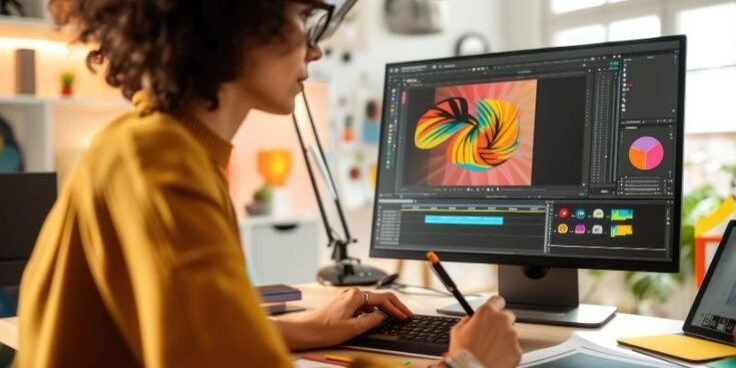
- Comfort with digital design tools
Software knowledge helps, but it isn’t the whole picture. Professional design is really about solving communication problems, not just clicking buttons.
What Software Do Graphic Designers Use?
Designers rely on different tools depending on the task. Common ones include:
- Adobe Photoshop – Photo editing and raster graphics
- Adobe Illustrator – Logos and vector artwork
- Adobe InDesign – Multi-page layouts like brochures and magazines
- Figma – Web and interface design, often used by teams
- Canva – Quick, template-based designs for beginners and small businesses
You don’t need to master every tool. Start with one that fits your goals. Strong fundamentals, creativity, and problem-solving will always matter more than the software itself.
Graphic Design vs. Other Creative Fields
Graphic design overlaps with several fields, but each has its own focus.
- Graphic design vs. web design – Graphic design handles visuals; web design applies them to functional, coded websites.
- Graphic design vs. UI design – UI (user interface) design focuses on the look of buttons, screens, and interactive elements.
- Graphic design vs. UX design – UX (user experience) design studies how people feel and behave while using a product, not just how it looks.
- Graphic design vs. digital marketing – Marketing plans campaigns and strategy; graphic design creates the visuals those campaigns use.
- Graphic design vs. illustration – Illustration creates original artwork, which designers may then place within a larger layout.
These fields often work together, and many professionals blend more than one.
How Can a Beginner Start Learning Graphic Design?
You can begin learning today with a computer and a willingness to practice. Follow these steps:
- Learn the basic design principles.
- Study typography and color.
- Practice layout and composition.
- Analyze professional designs you admire.
- Learn one design tool well.
- Recreate simple designs as exercises.
- Build original projects from scratch.
- Assemble a portfolio of your best work.
- Ask others for honest, constructive feedback.
- Keep practicing consistently.
You don’t need expensive equipment or a degree to start. Free tools and steady practice go a long way. Growth comes from doing the work and improving with each project.
Is Graphic Design Important for Businesses?
Yes. Design shapes nearly every way a business appears to the world. Consistent visuals help a company look professional across every customer touchpoint.
Graphic design supports:
- Logos
- Websites
- Social media accounts
- Advertisements
- Presentations
- Packaging
- Brochures
- Business cards
- Email campaigns
- Brand guidelines
When these pieces share a unified look, customers recognize and trust the brand more easily. Companies looking to strengthen their visual presence often turn to creative design and branding resources to keep everything consistent. That consistency turns scattered materials into one clear, memorable identity.
Frequently Asked Questions
What is graphic design in simple words?
Graphic design is the art of combining images, text, and color to share a message clearly and attractively. It’s how ideas are turned into visuals people can understand at a glance.
What is the main purpose of graphic design?
The main purpose is communication. Good design helps information reach an audience in a way that’s clear, engaging, and useful, not just decorative.
What are the five types of graphic design?
Five common types are brand identity design, marketing and advertising design, web and digital design, packaging design, and publication design.
Is graphic design difficult to learn?
It takes practice, but it isn’t out of reach. With free tools, online lessons, and steady effort, most beginners can build solid skills over time.
What software is best for graphic design?
It depends on your goal. Adobe Illustrator suits logos, Photoshop handles photos, InDesign fits layouts, Figma works for interfaces, and Canva is great for quick, simple designs.
Can graphic design be a career?
Absolutely. Designers work in agencies, companies, and as freelancers across marketing, branding, digital media, and more.